The Women Who Transformed Wisconsin
The University of Wisconsin is largely built on the courage of women who refused to accept the status quo. From the first co-educational classes to the integration of the legal industry, these pioneers changed our university forever. While the following profiles highlight several extraordinary figures, this is by no means an exhaustive list. These stories represent just a few of the many women who shaped the legacy of the Badger State.
Donna Shalala
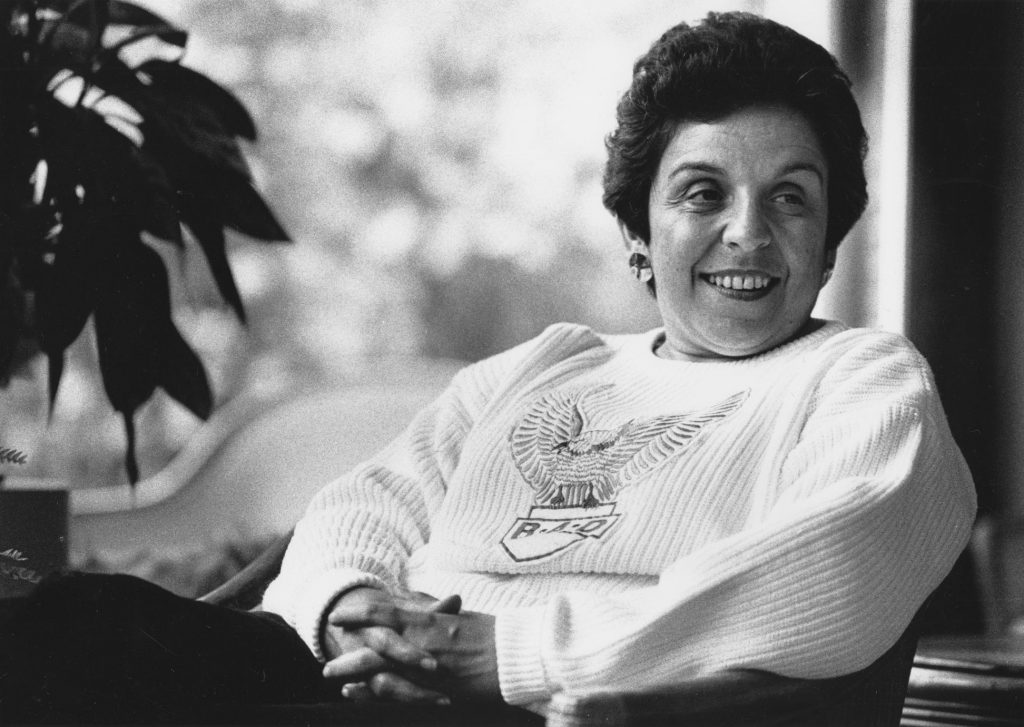
Dr. Donna Shalala has dedicated her career to public service and higher education, earning more than 50 honorary degrees. After earning her Ph.D. from Syracuse University, she taught at several institutions before serving as Chancellor of UW–Madison from 1987 to 1993. Her extensive government service includes roles as President Clinton’s Secretary of Health and Human Services (HHS), Assistant Secretary at HUD, and a member of the U.S. House of Representatives. In 2008, the Council on Excellence in Government named her one of the greatest public servants of the past quarter-century.
Mabel Watson-Raimey
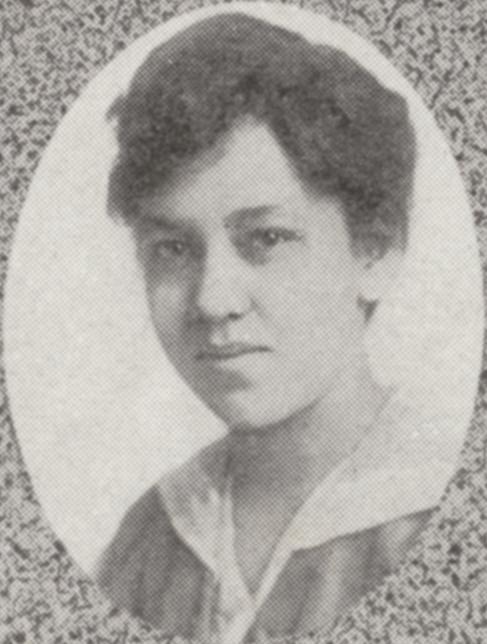
Mabel Watson Raimey was a prominent figure in Wisconsin’s history, breaking significant racial and gender barriers in the early 20th century. Born in Milwaukee in 1895, Raimey was a gifted student who graduated from high school at age 14. In 1918, she became the first woman of African descent to earn a bachelor’s degree from UW–Madison. After graduation, she took a teaching job in her hometown but was fired after only three days when her employer discovered her racial identity. Undeterred, she transitioned into the legal field, working as a secretary in a local law office while attending Marquette University Law School at night. In 1927, she made history as the first African American woman admitted to the Wisconsin Bar.
Clara Bewick Colby
Clara Bewick was born in England in 1846 and moved to Windsor, Wisconsin, at an early age. In 1869, she was one of six women in UW–Madison’s first co-educational class, graduating as valedictorian. Following graduation, she taught history and Latin before moving to Beatrice, Nebraska, where she used her education to advocate for women’s rights. As a prominent suffragist, she worked alongside Susan B. Anthony and Elizabeth Cady Stanton. In 1881, she became vice president of the Nebraska Woman Suffrage Association, and in 1883, she launched The Woman’s Tribune. The newspaper ran for several decades and became the official publication of the National Woman Suffrage Association.
Vel Phillips

Vel Phillips became the first Black woman to graduate from the UW–Madison Law School in 1951. In 1956, she was elected to the Common Council of Milwaukee, becoming its first woman alderperson. Her platform focused on housing equality and protecting minorities from discrimination in real estate. Her work brought national attention to Milwaukee’s civil rights movement, and she was a frequent participant in protests and demonstrations. In 1971, Phillips became the first African American judge in Wisconsin after her appointment to the Milwaukee County Circuit Court. In 1978, she achieved another milestone as the first woman elected as Wisconsin’s Secretary of State.
Gerda Lerner
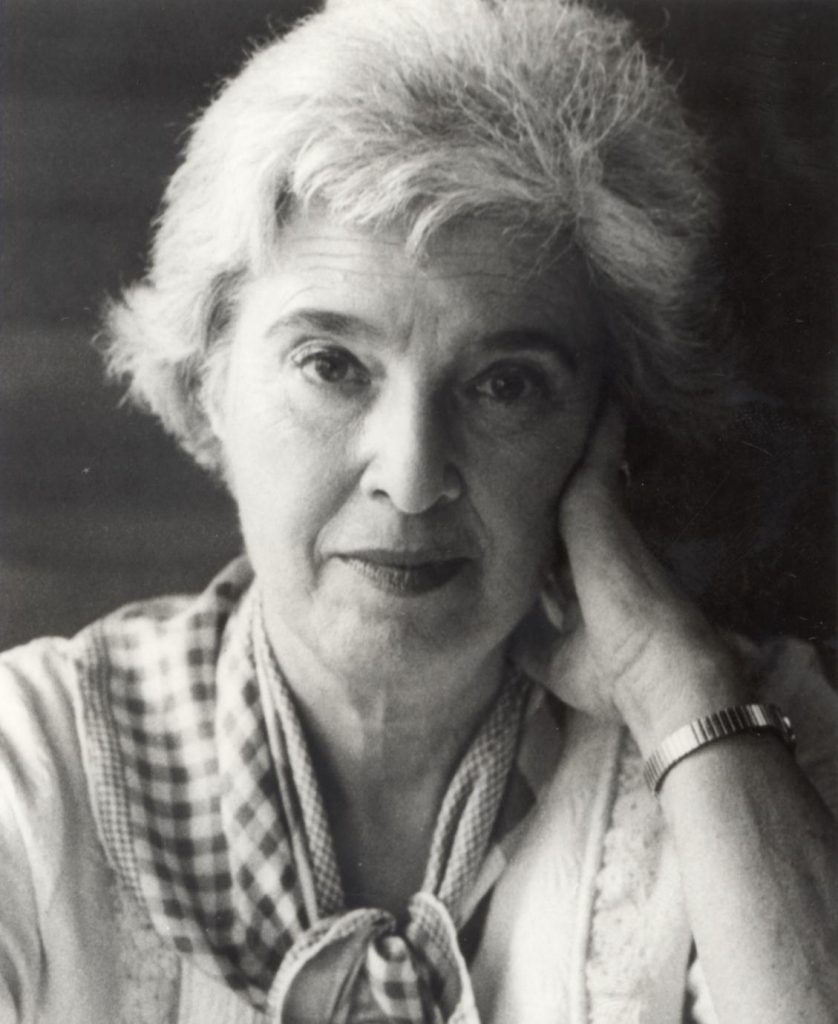
Born in Vienna, Austria, Gerda Lerner immigrated to the United States as a refugee after the Nazis rose to power. While at Columbia University, she successfully lobbied the administration to allow her to study women’s history, which was not yet a recognized field. After earning her Ph.D. in 1966, Lerner founded the Women’s Studies program at Sarah Lawrence College, establishing the nation’s first graduate program in the subject. In 1980, she joined the faculty at UW–Madison and founded the first Ph.D. program in women’s history. The recipient of 18 honorary degrees, Lerner also helped organize the first “Women’s History Week,” which eventually evolved into Women’s History Month.
Helen C. White

From her hiring in 1919 until her death in 1967, Helen C. White was a pioneer in the UW English Department. Early in her career, she balanced roles as an assistant professor and a Ph.D. candidate. In 1936, she became the first woman to serve as a full professor in the College of Letters and Science, and in 1955, she became the first woman to chair the English Department. Two years after her passing, Helen C. White Hall was built to house the College Library and various department offices, ensuring her name remained central to campus life.
Ada Deer
Ada Deer was born in Keshena, Wisconsin, as a member of the Menominee Tribe, where she lived for the first 18 years of her life. In 1957, she graduated from UW-Madison, becoming the first Menominee to earn an undergraduate degree from the university. She later attended Columbia University, where she became the first Native American to receive a master’s degree in social work. Her activism led to the passage of the Menominee Restoration Act of 1973, signed by President Nixon, which officially returned the Menominee Reservation to federally recognized status. From 1974 to 1976, she made history again as the first woman to chair the Menominee Tribe of Wisconsin. Her political activism included running for Wisconsin Secretary of State in 1978 and 1982. In 1992, she became the first Native American woman in Wisconsin to run for the U.S. Congress, losing by only a narrow margin. In 1993, Deer was appointed Assistant Secretary for Indian Affairs at the U.S. Department of the Interior under the Clinton Administration. In this role, she helped set federal policy for more than 550 federally recognized tribes.Subsequently, she returned to UW-Madison to teach at the School of Social Work and lead the American Indian Studies Program. In 2019, she was inducted into the National Native American Hall of Fame, and in 2023, Wisconsin Governor Tony Evers proclaimed August 7 as Ada Deer Day.
Katharine Lyall
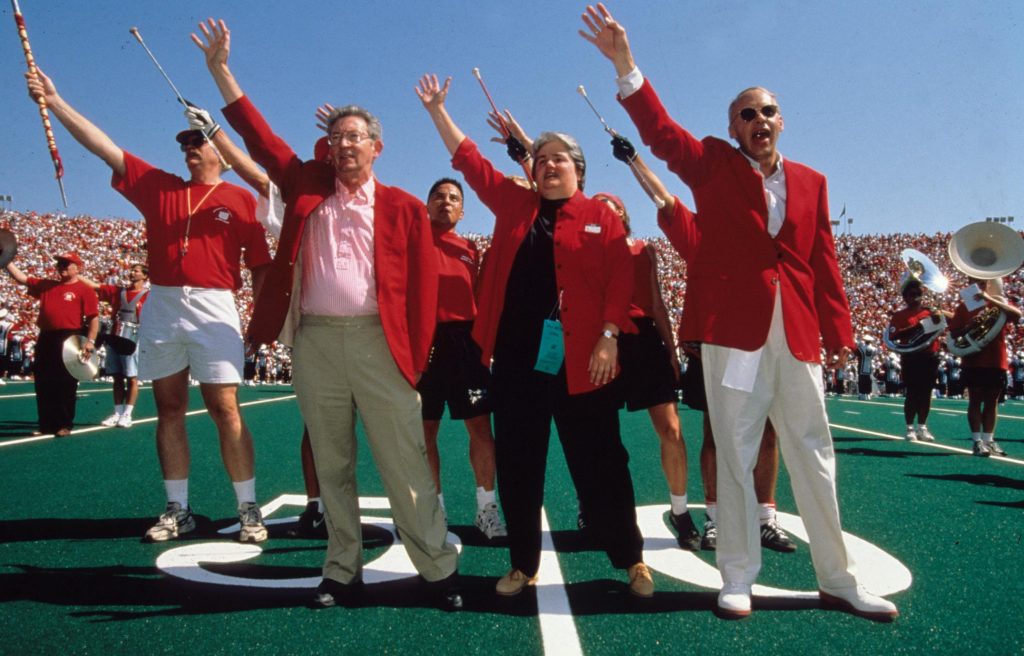
Katharine Lyall earned her bachelor’s and Ph.D. from Cornell University, with an M.B.A. from New York University in between. After teaching at Syracuse and Johns Hopkins, she joined the UW–Madison economics faculty in 1982. Lyall eventually became the fifth president of the University of Wisconsin System and the first woman to hold the position. At the time, she led the 8th largest university system in the country, overseeing 26 campuses and 160,000 students. She pioneered the nation’s first university accountability report to increase transparency. Additionally, she served as Deputy Assistant Secretary for Policy Development and Research at HUD during the Carter Administration.