Reader’s Advisory
Digital Book Display for Love Data Week!
Love Data Week is just around the corner! If you’re interested in learning about data storytelling, data visualization, digital scholarship or digital humanities, data ethics, or data science, we have a book for you!
If you’re interested in seeing excellent examples of data visualization and storytelling, check out the winners of Bucky’s Data Viz Challenge and learn how to vote for your favorites at the BTAA Data Viz Championships! More information about Love Data Week and LDW events across campus can be found at the Love Data Week hub page.
And now, the books!
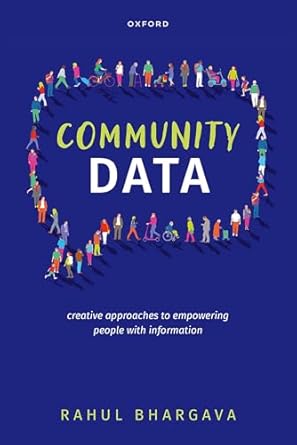
Community Data: Creative Approaches to Empowering People with Information by Rahul Bhargava
Community Data offers readers a chance to explore data visualization and storytelling beyond classical methods such as surveys, charts and graphs and into the arts-based and tactile (“edibilization, smellification”), with a particular emphasis on community engagement and empowerment.
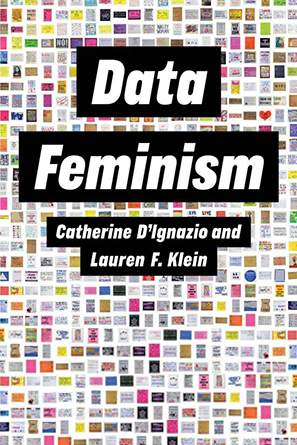
Data Feminism by Rachael D’Ignazio and Lauren F. Klein
D’Ignazio and Klein offer a challenge to the assumption that “data speaks for itself” in their 2020 book. This book is for those who want to explore the ways that power and inequities shape data along with some practical steps to create change.
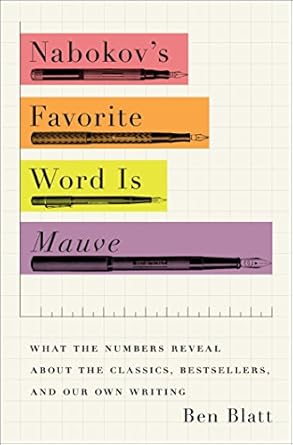
Nabokov’s Favorite Word is Mauve by Ben Blatt
Statistician and journalist Ben Blatt offers a fun and accessible adventure into text analysis as he explores the work of famous novelists, for literary nerds and math enthusiasts alike.
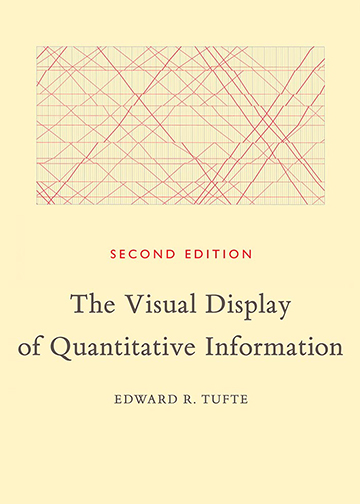
The Visual Display of Quantitative Information by Edward R. Tufte
This classic text on data visualization instructs readers on honest and efficient data visualization through the foundational “data-ink ratio”. If graphic design and data are your passions, this is a great place to start.
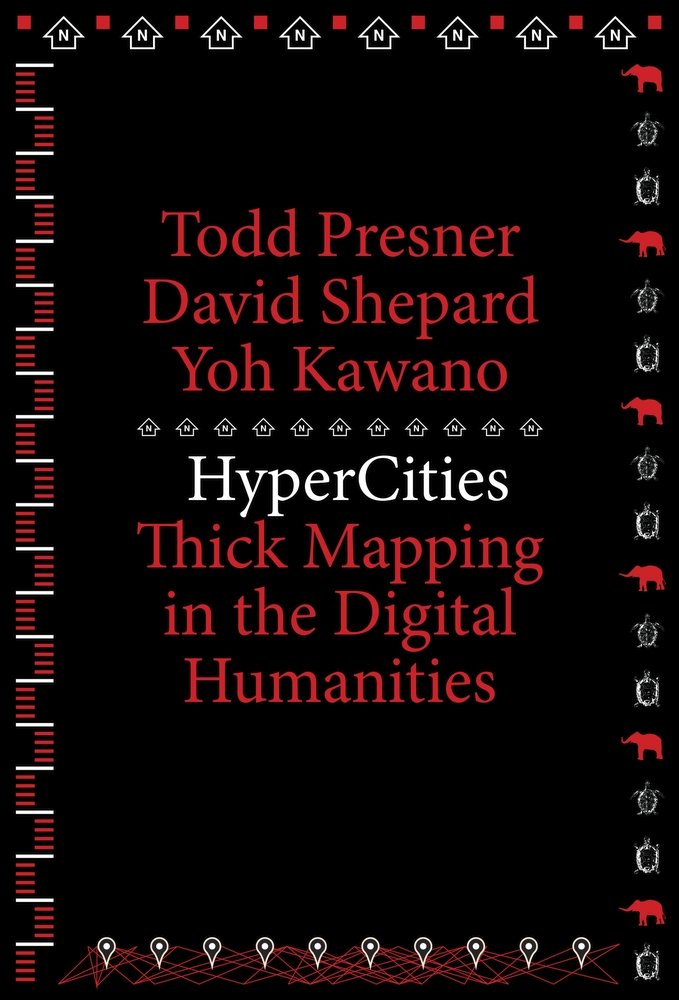
HyperCities : Thick Mapping in the Digital Humanities by Todd Samuel Presner, David Shepard, and Yoh Kawano
HyperCities explores the now-defunct online project of the same name, where city maps are turned into places for interacting with layers of historical information. The project included a variety of media from Twitter streams, photographs, audio, and data visualizations to bring the cities represented to life.`
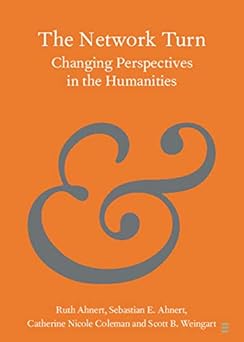
The Network Turn: Changing Perspectives in the Humanities by Ruth Ahnert, Sebastian E. Ahnert, Catherine Nicole Coleman, and Scott B. Weingart
This 2020 publication focuses on how network studies are not limited to science and technology, but whose methods can be employed by the arts and humanities to study culture and society. This text also focuses on how arts and humanities scholarship can critique long-standing inequities through the use of these methods.